


Aug 14, 2025

Preeti Nidhi
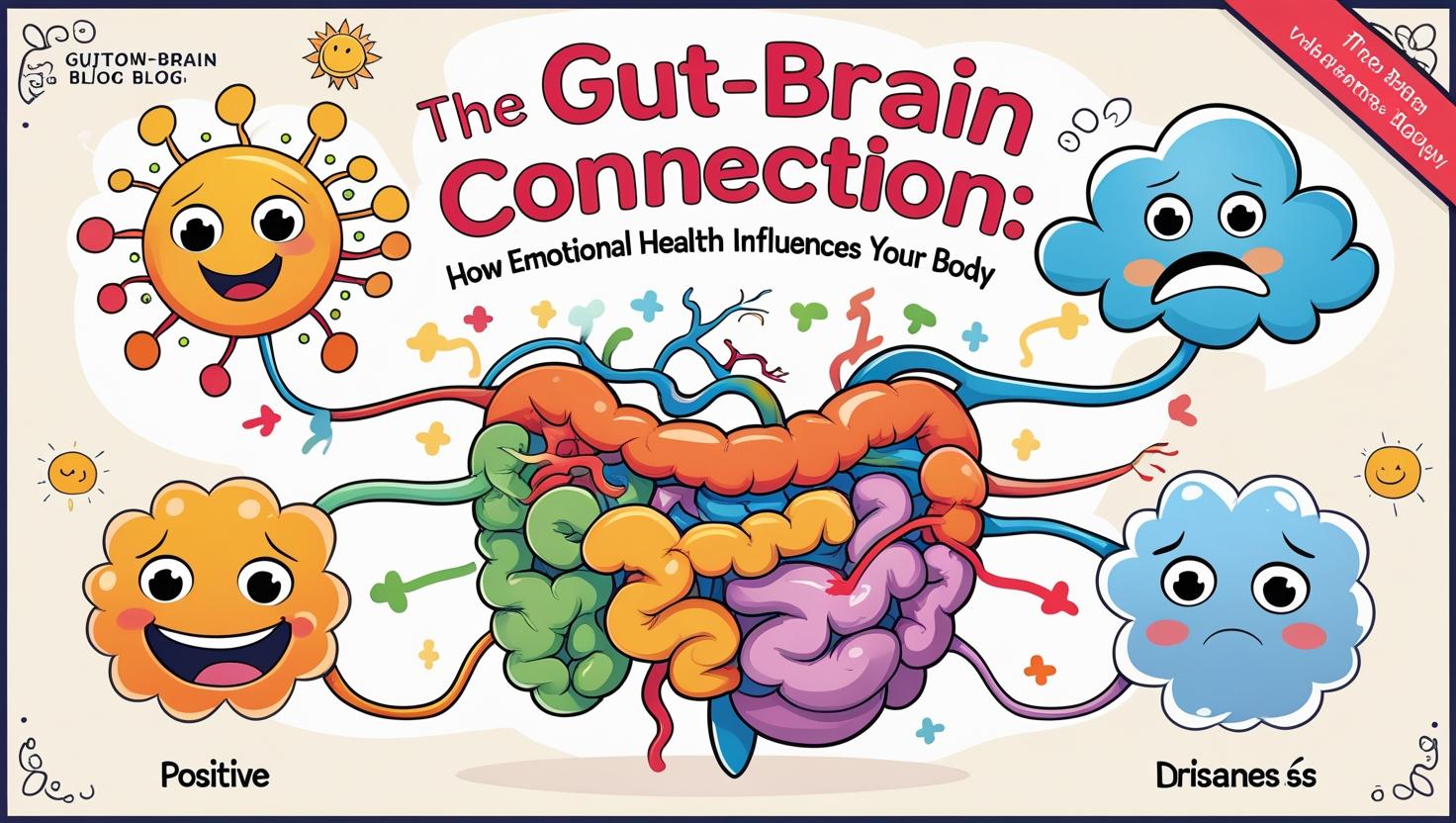
The phrase “gut feeling” isn’t just a poetic metaphor. Over the past decade, researchers have discovered that the gut is deeply intertwined with the brain—forming a powerful, bi-directional communication system known as the gut-brain axis. This axis influences how we think, feel, and even how we respond to illness. In other words, your emotional health can shape your gut health, and your gut can play a significant role in your emotional state.
Understanding this connection is vital in today’s world, where both mental health disorders and gastrointestinal issues are on the rise. Scientists now believe that improving gut health may have direct benefits for managing stress, anxiety, and even depression. In this blog, we explore the science behind the gut-brain axis, how emotional states can influence physical health, and actionable steps to support this critical connection.
What Is the Gut-Brain Axis?
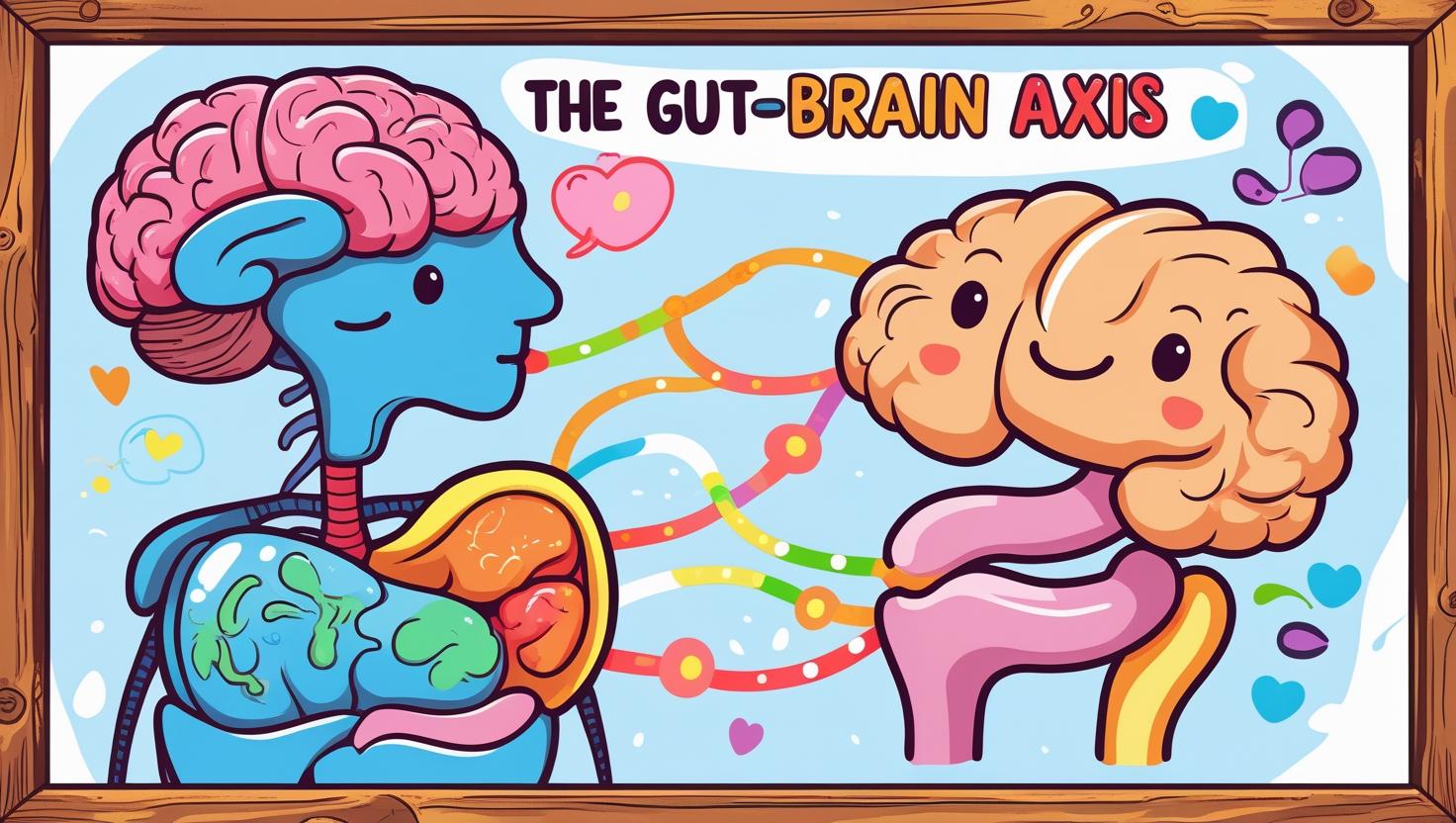
The gut-brain axis is a communication network that links your central nervous system (which includes the brain and spinal cord) to your enteric nervous system (the nervous system of the gut). These two systems communicate through neural pathways, hormones, immune system signals, and the gut microbiome—the trillions of microbes living in the gastrointestinal tract.
One of the main channels in this communication is the vagus nerve, which runs from the brainstem to the abdomen. This nerve carries signals in both directions. When you experience anxiety, for example, the brain sends stress signals to the gut, often resulting in discomfort like bloating, cramps, or changes in bowel movement. Conversely, disruptions in the gut, such as inflammation or microbial imbalance, can send distress signals to the brain, influencing mood and cognition.
Interestingly, about 95% of the body’s serotonin—a neurotransmitter critical to mood regulation—is produced in the gut. This discovery has led researchers to reconsider how mood disorders such as depression and anxiety are treated, with increasing attention paid to gut health as a possible intervention point.
How Emotional Health Affects the Gut
Emotions have a direct physiological impact on the body, particularly the digestive system. When we’re stressed or anxious, our bodies enter a “fight or flight” state. This stress response prioritizes survival, diverting blood flow away from the digestive organs and altering gut motility and secretion. The result is a range of symptoms, including nausea, constipation, diarrhea, and indigestion.
Chronic emotional stress can also compromise the intestinal barrier, a protective lining that prevents harmful substances from leaking into the bloodstream. This condition, sometimes referred to as “leaky gut,” can lead to systemic inflammation, triggering immune responses that affect other organs—including the brain.
Moreover, stress and anxiety can alter the composition of the gut microbiome. Beneficial bacteria may decrease while harmful strains proliferate. These microbial imbalances have been associated with increased levels of pro-inflammatory cytokines—molecules that can cross the blood-brain barrier and contribute to mood disorders. In fact, individuals with Irritable Bowel Syndrome (IBS), a condition that affects the large intestine, are two to three times more likely to experience anxiety and depression, underscoring the bidirectional nature of gut-brain interactions.
The Role of the Gut in Emotional Health
While it’s clear that emotional stress can negatively impact gut function, the reverse is also true: the state of the gut can shape emotional and psychological outcomes. The gut microbiome produces or influences the production of numerous neurotransmitters and neuroactive compounds, including dopamine, GABA (gamma-aminobutyric acid), and acetylcholine—all essential for emotional regulation and mental clarity.
Emerging research shows that certain strains of gut bacteria may actually help modulate the body’s stress response and improve emotional resilience. For example, a 2021 study published in Nature Microbiology highlighted how gut bacteria in mice influenced anxiety-like behavior and social interactions. Human studies are beginning to support similar findings, leading to the growing field of psychobiotics—probiotics and prebiotics that specifically target mental health via the gut.
In addition to neurotransmitter production, the gut also plays a central role in immune system function. Roughly 70% of the immune system resides in the gut, and chronic inflammation linked to poor gut health has been associated with the development of mental health conditions like depression. This means that gut health is not just about digestion—it plays a role in immunity, emotional balance, and overall well-being.
Practical Ways to Support the Gut-Brain Connection
Understanding the gut-brain axis provides a strong argument for taking an integrated approach to emotional and physical wellness. Rather than treating the mind and body as separate entities, consider them as part of a single, interdependent system. The following strategies can help maintain or improve the health of this system:
1. Consume a Gut-Friendly Diet:
A diet high in processed foods, added sugars, and artificial additives can harm the gut microbiome. Instead, focus on whole, fiber-rich foods such as fruits, vegetables, legumes, and whole grains. Fermented foods like yogurt, kefir, sauerkraut, and kimchi contain beneficial bacteria that can enhance gut diversity.
2. Incorporate Prebiotics and Probiotics:
Prebiotics are non-digestible fibers that feed the good bacteria in your gut. Foods like garlic, onions, bananas, and asparagus are excellent sources. Probiotics, found in supplements and fermented foods, can help repopulate the gut with healthy microbes.
3. Practice Stress Management Techniques:
Chronic stress is one of the most damaging factors for gut health. Mindfulness-based interventions such as meditation, deep breathing, progressive muscle relaxation, and yoga have been shown to not only reduce anxiety but also improve symptoms in individuals with functional gut disorders.
4. Prioritize Quality Sleep:
Sleep and the gut microbiome share a reciprocal relationship. Inadequate sleep disrupts microbial balance, which can in turn affect emotional stability and energy levels. Aim for 7–9 hours of high-quality sleep per night.
5. Stay Physically Active:
Regular exercise has been shown to enhance microbial diversity in the gut. It also improves mood, reduces stress, and supports immune function—all of which are crucial for a healthy gut-brain axis.
6. Avoid Overuse of Antibiotics and NSAIDs:
These medications can disrupt the gut microbiome if used excessively. Always consult with a healthcare provider before starting or stopping any medication and consider dietary support to restore microbial balance afterward.
Conclusion
The gut-brain connection is one of the most important scientific revelations of recent years. What we once considered “just” the digestive system is now understood to be a major influencer of mood, immunity, and cognitive function. The constant communication between the gut and brain highlights the importance of a holistic approach to health—one that considers emotional, mental, and physical well-being as deeply interconnected.
Investing in your gut health through mindful eating, stress management, and lifestyle choices isn't just good for your digestion—it’s a powerful way to support your emotional resilience, cognitive performance, and overall vitality. The next time you feel off-balance, listen to your gut. It may be trying to tell you something important—not just about your body, but your mind as well.