


Aug 14, 2025

Preeti Nidhi
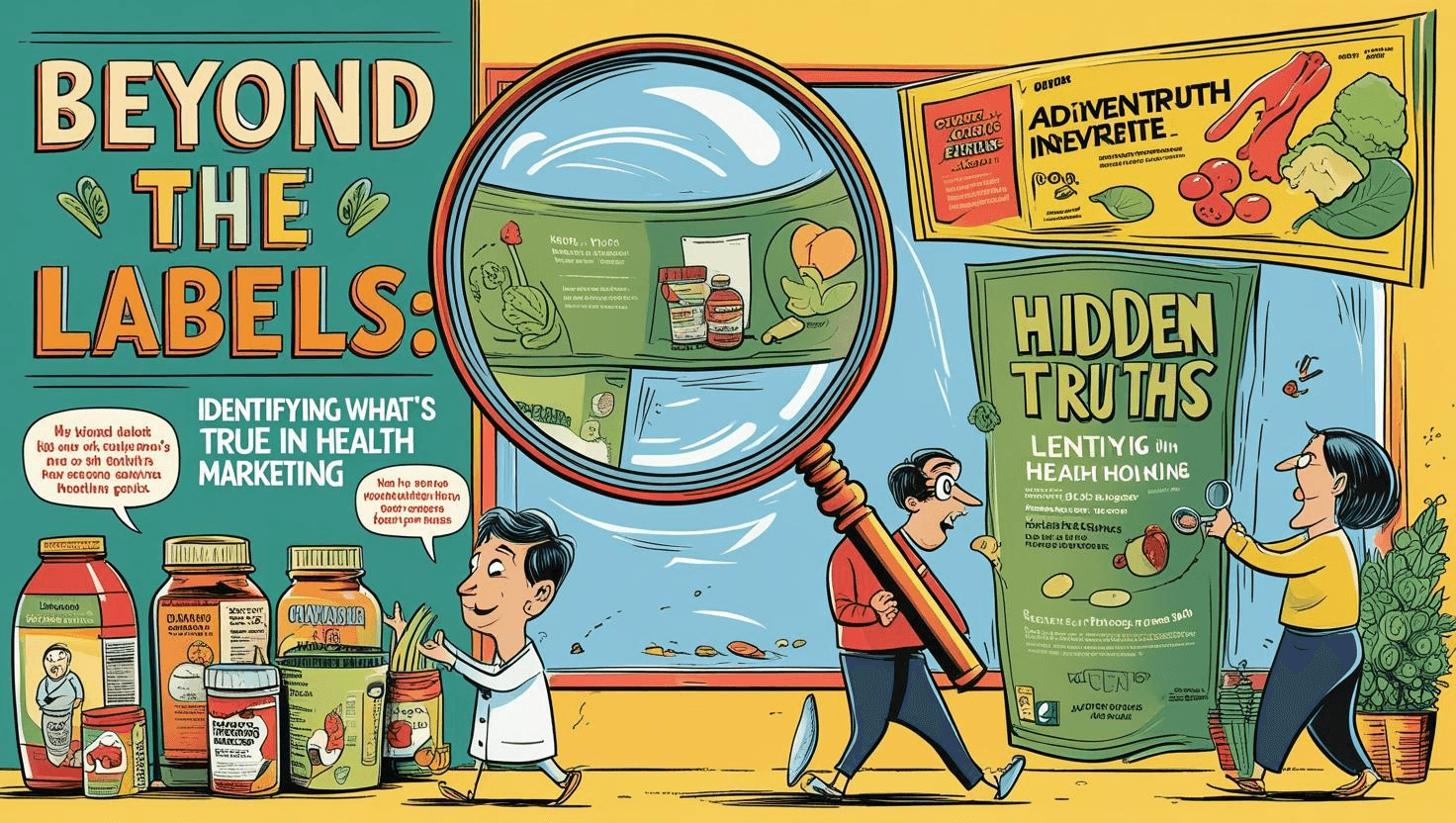
In the era of influencer-driven wellness, brightly packaged superfoods, and buzzwords like "organic," "clean," or "all-natural," it’s easy to get caught in the marketing maze. While health-conscious consumers are demanding more transparency, the wellness industry has grown into a multi-billion-dollar machine that often puts perception before truth.
This blog takes you beyond the surface — beyond the labels — to help you understand how to spot what’s real and what’s simply smart marketing when it comes to health products and trends.
The Rise of Wellness Marketing
The global wellness market surpassed $5.6 trillion in 2023, and it's expected to keep growing. With consumers prioritizing preventive care and lifestyle upgrades, brands have scrambled to create products that appear health-enhancing. However, the line between genuine health value and marketing gimmick has become increasingly blurred.
Modern health marketing relies heavily on emotional appeal: words like “pure,” “clean,” “toxin-free,” and “immune-boosting” trigger quick decisions based on how consumers feel about the product, not necessarily on scientific fact. But what do these terms really mean?
Common Health Marketing Tactics — And What They Really Mean
Let’s decode a few of the most common tactics and claims used in health marketing today:
1. “All-Natural”
This label is among the most misleading. “Natural” is not strictly regulated in many countries and can refer to anything that originated in nature — even if it was heavily processed. A product with added sugar or preservatives could still legally be labeled “natural.”
What to do: Read the ingredients list instead of relying on the front label. If there’s a long list of unrecognizable additives, the product may not be as natural as claimed.
2. “Boosts Immunity”
A favorite claim during and after the pandemic, this phrase lacks scientific precision. While nutrients like vitamin C, zinc, and probiotics support normal immune function, no food or supplement can "boost" your immune system in a meaningful way overnight.
What to do: Look for products that provide evidence-based doses of immune-supporting nutrients, not vague promises.
3. “Detox” and “Cleanse”
The idea that your body needs help “cleansing toxins” through a tea, juice, or supplement is scientifically shaky. Your liver and kidneys already perform detoxification naturally. Most “detox” products do little more than act as laxatives or diuretics.
What to do: Focus on long-term health habits like hydration, fiber intake, and exercise instead of short-term detox fads.
4. “Clinically Proven”
This sounds credible — but what was clinically proven, and how? Sometimes, brands refer to small-scale studies, often funded by the company itself. Others cite research irrelevant to their actual formulation.
What to do: Look for peer-reviewed research or independent clinical studies. If a product makes a health claim, check if it includes references or links to real data.
5. Influencer and Celebrity Endorsements
While they bring visibility, endorsements often create a halo effect that overshadows the actual product quality. Celebrities may not be experts in nutrition or health science, yet they influence buying behavior.
What to do: Don’t confuse popularity with credibility. Rely on science-backed claims, not social proof alone.
The Psychology Behind Health Marketing
Health brands don’t just sell products — they sell aspirations. They market confidence, energy, beauty, and longevity. In doing so, they tap into psychological biases such as:
The health halo effect: When one "healthy" claim (like low fat) makes the entire product seem healthy, even if it’s high in sugar.
Fear-based marketing: Phrases like “toxin-free” or “chemical-free” exploit concerns about safety, even though everything — including water — is made of chemicals.
Urgency and scarcity: Limited-time offers and phrases like “get your health back” nudge people into emotional decisions.
Understanding these tactics helps you make more informed choices and avoid falling into marketing traps.
How to Make Smarter Health Choices
Instead of relying solely on product claims or packaging, try applying these strategies:
1. Read ingredient labels carefully:
Focus on whole, minimally processed ingredients. Watch for added sugars, hydrogenated oils, or artificial sweeteners hiding under unfamiliar names.
2. Be skeptical of vague claims:
If a product claims to be “miracle-working,” “life-changing,” or “scientifically designed” without sharing real evidence — take a step back.
3. Research the brand:
Check whether the brand shares transparent sourcing, testing, and third-party certifications. Look for companies that invest in long-term wellness, not just flashy trends.
4. Listen to your body — not just marketing:
Use health tools (like BENi or food scanners) to decode what’s actually in your food or supplements. Personal data can help validate whether the product is working for you.
5. Consult credible sources:
Use evidence-based health sites, registered dietitians, or trusted apps that summarize clinical research. Avoid relying solely on social media or trending reels.
Why Transparency Matters
In a world overflowing with information — and misinformation — transparency is the new trust currency. Consumers are more informed than ever, but also more vulnerable to wellness FOMO (fear of missing out). Brands that provide clear, honest, and verifiable information build long-term loyalty. On the flip side, misleading labels and exaggerated claims can do more harm than good, especially when people use products in place of real medical advice.
The future of health marketing lies in truthful storytelling, scientific accuracy, and consumer empowerment — not in exaggeration or fear.
Conclusion
Not all that glitters in the wellness aisle is gold. Health marketing is evolving rapidly, but so is our awareness. Going beyond the label means asking critical questions, understanding your own health needs, and recognizing when you're being sold a dream rather than a solution.
The next time you see a product promising to detox your body, balance your hormones, or transform your life overnight — pause, read, and reflect. Health is not built through shortcuts, but through informed, consistent choices.