


Jun 5, 2025

Preethi
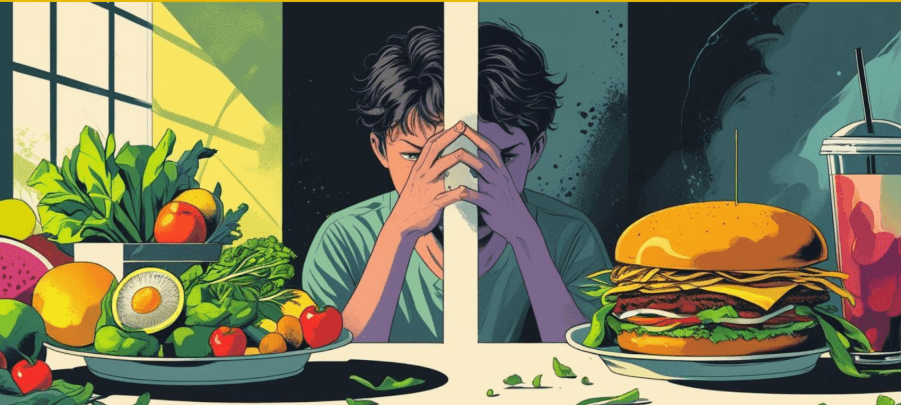
Whether it’s a quick grab-and-go meal, a one-click delivery, or a pre-packaged snack, we are constantly choosing convenience over nutrition. But behind the promise of ease and time saved lies a hidden question: Are we silently sacrificing our health for the sake of convenience?
In this blog, let’s peel back the layers of convenience to reveal the true cost it imposes on our health — and explore how you can balance health and convenience by making small changes in your lifestyle.
The Convenience Culture We’ve Come to Rely On
We’re busier than ever. Between work demands, caregiving responsibilities, and constant multitasking, taking time to prepare fresh meals daily feels out of reach. As a result, ultra-processed foods have flooded our diets—offering longer shelf lives, enhanced flavors, and minimal effort.
In fact, a BMJ Global Health study from 2022 revealed that over 50% of daily calories consumed in high-income countries come from ultra-processed foods. That means the majority of what we eat is far removed from its natural state.
What’s Really Inside These “Convenient” Foods?
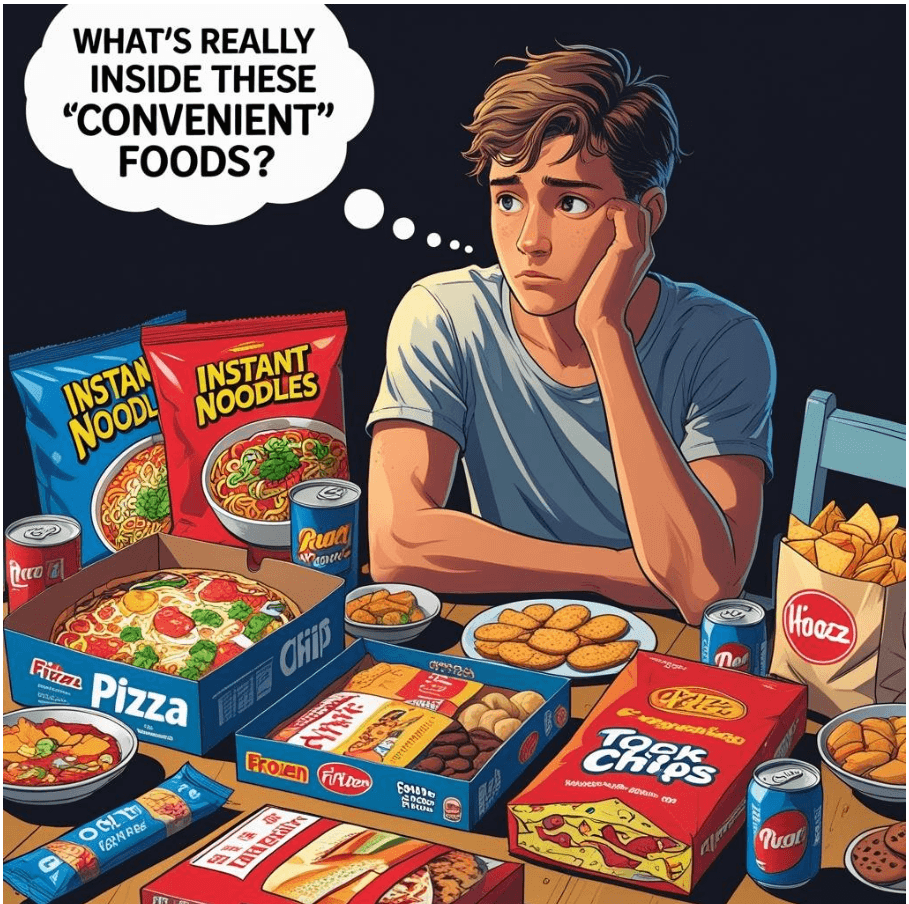
The danger isn’t just in how these foods are made—it’s in what they do to us over time.
According to a study published by FoodNavigator (2019), more than 60% of supermarket products labeled as “healthy” were actually ultra-processed. Despite their labels, these foods are often filled with hidden sugars, refined oils, preservatives, and additives.
The impact?
A 31% higher risk of obesity
A 25% increased risk of heart disease
Disruption of gut microbiota, leading to chronic inflammation and digestive disorders
And yet, these items are part of our daily lives—breakfast cereals, flavored yogurts, energy bars, and even seemingly “natural” snacks.
The Hidden Price Tag on Convenience
The appeal of processed food is real—it’s cheap, accessible, and fast. But the long-term cost often shows up in hospital bills, fatigue, and reduced quality of life.
According to the Centers for Disease Control and Prevention (CDC), the annual medical cost of obesity in the U.S. alone is $173 billion. Much of this burden is linked to poor dietary habits and overconsumption of processed foods.
Beyond the financial cost, there’s a human cost—reduced energy, higher stress, poor sleep, and increased vulnerability to illnesses.
Why Whole, Real Food Still Wins?
Let’s be honest: eating clean takes effort. But every time you choose an apple over a packaged snack, or a home-cooked dal-chawal over instant noodles, you're investing in your future.
A long-term study by National Institute of Health found that a 20% increase in whole food consumption (fruits, vegetables, whole grains, nuts) was associated with up to a 15% lower risk of early death. That’s not just longevity—it’s quality of life.
Whole foods are rich in fiber, antioxidants, healthy fats, and essential nutrients your body actually recognizes and uses. They don’t just fill your stomach—they fuel your health.
So, Can You Balance Health and Convenience?
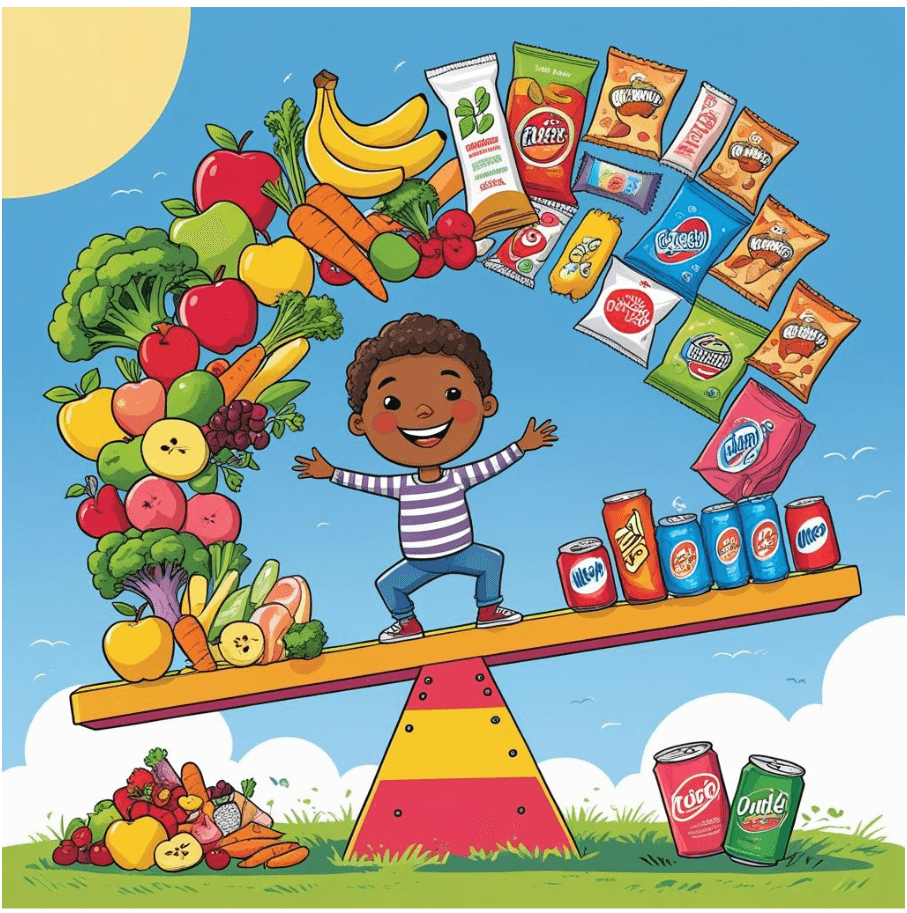
Yes—but it starts with awareness and small shifts.
Here are a few realistic ways to find that balance:
1. Cook More at Home
Preparing meals at home allows you to control ingredients, cooking methods, and portion sizes. It may sound time-consuming, but simple steps can make it manageable:
Batch cook: Prepare larger portions and freeze leftovers for future meals.
One-pot or sheet-pan meals: These save cleanup time and are quick to prepare.
Use meal kits: Some companies offer pre-portioned ingredients that reduce prep time without compromising quality.
2. Educate Yourself on Labels
Don’t be intimidated by ingredient lists. Focus on identifying:
Added sugars (look for different names like dextrose, maltose, syrups)
Sodium content (aim for less than 2300 mg per day as per WHO guidelines)
Types of fats (avoid trans fats, limit saturated fats)
Presence of artificial additives or colorings
When in doubt, apps like Beni or trusted nutrition websites can help decode this info.
3. Plan and Prep Ahead
Time crunches often push us toward unhealthy convenience foods. Combat this by:
Creating weekly meal plans
Pre-chopping veggies and storing them in the fridge
Preparing breakfast options in advance (overnight oats, smoothie packs)
4. Stay Hydrated and Mindful
Sometimes, thirst is mistaken for hunger. Drinking water regularly throughout the day can prevent unnecessary snacking on unhealthy foods.
Mindful eating—paying attention to hunger cues and eating without distraction—helps prevent overeating and improves digestion.
Final Thoughts
We’re not saying you should give up convenience completely. Life gets busy, and quick meals can help. But it’s worth asking - is this helping my health, or hurting it over time?
In the end, it’s the small, everyday decisions—what you pick off the shelf, how often you rely on processed foods, or whether you pause to read a label—that shape your long-term health.
Convenience isn’t the enemy. But when it comes at the cost of our health, it’s worth questioning. True convenience lies in habits that not only save time—but also support a healthier, longer life.
✅ Join the Movement
Join our community and take the first step toward better well-being—by making right food choices. Together, we’re building a community where healthy living is made simple.