


Sep 16, 2025

Preeti Nidhi
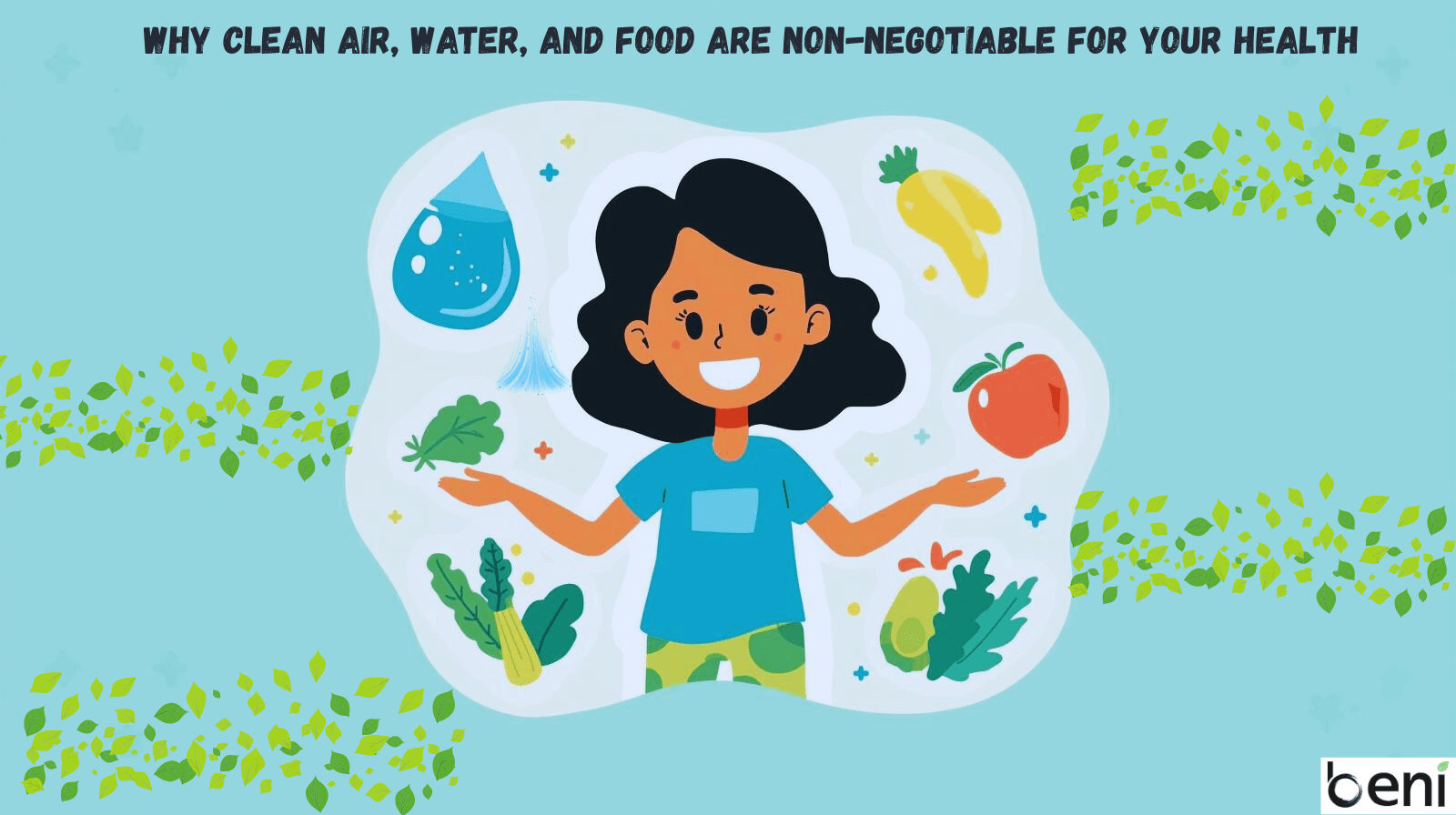
In today’s health-conscious world, conversations often revolve around diets, workout plans, supplements, or even biohacking. Yet, behind all these trends lies a more fundamental truth: no matter how much we invest in gyms or green smoothies, human survival and well-being depend on three non-negotiables—clean air, safe water, and nutritious food.
These aren’t luxuries. They’re the invisible pillars of life itself. You can skip a workout and still thrive. You can delay a doctor’s appointment and still feel fine. But remove access to clean air, water, or food, and the body falters almost immediately. We breathe every second, hydrate every few hours, and eat several times a day—making the purity of these essentials the true foundation of long-term health.
This blog explores why these three basics matter, the risks when they’re compromised, and the urgent need to protect them at individual and global levels.
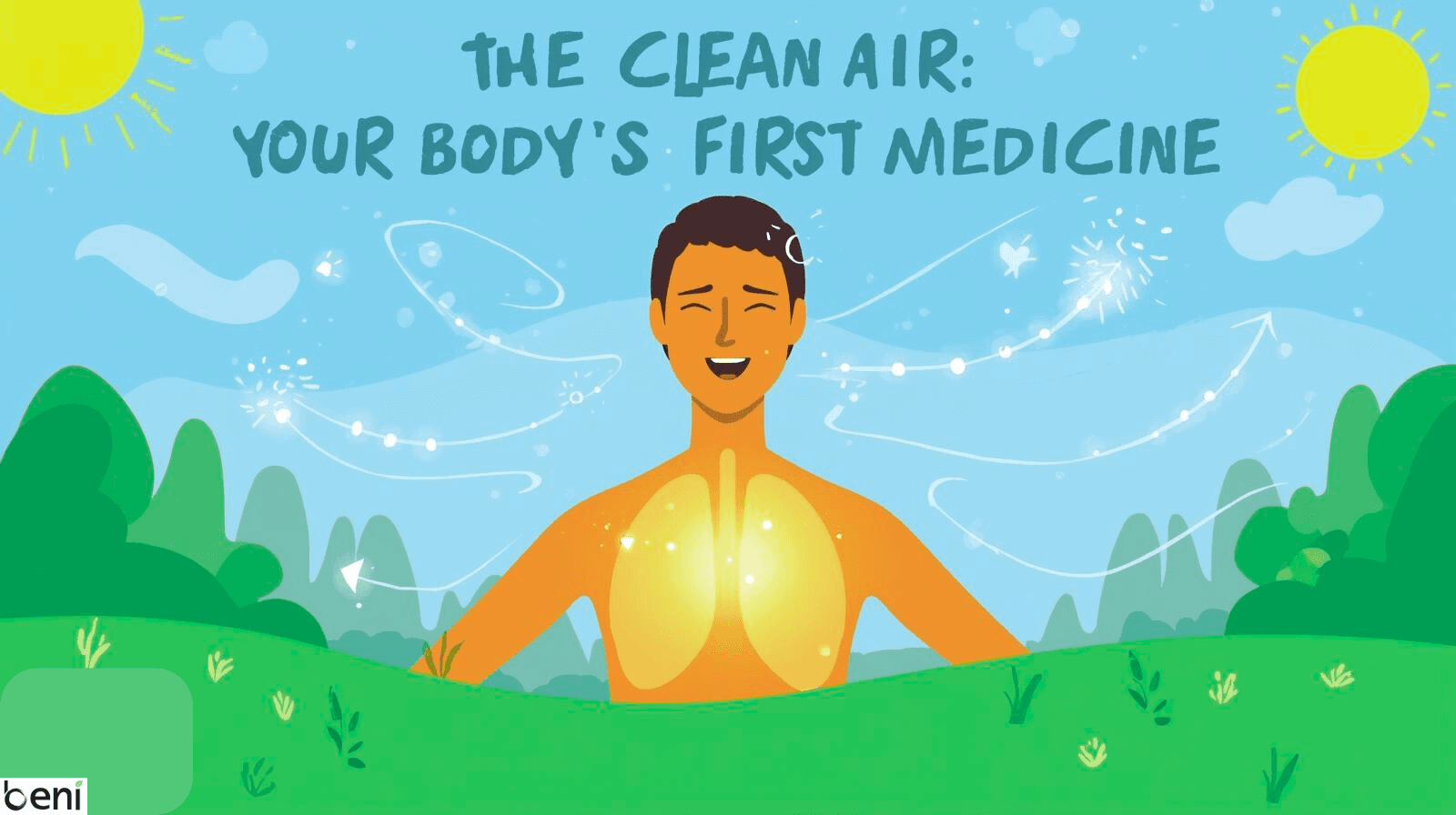
Clean Air: Your Body’s First Medicine
Why Air Quality Matters
Breathing is the most automatic of human actions—we do it 20,000 times a day without thought. But the quality of each breath has profound effects. Clean air delivers oxygen to fuel cellular activity, remove toxins, and regulate brain and organ function. When polluted, air becomes a cocktail of invisible threats: fine particulate matter (PM2.5), nitrogen dioxide, sulfur dioxide, and ground-level ozone.
The World Health Organization (WHO) estimates that 7 million people die annually due to exposure to polluted air. That’s more than deaths from malaria, HIV/AIDS, and traffic accidents combined.
Health Consequences of Polluted Air
Respiratory Diseases: Asthma, chronic obstructive pulmonary disease (COPD), and lung cancer are strongly linked to prolonged exposure.
Cardiovascular Impact: Pollutants enter the bloodstream, causing inflammation that increases risks of heart attacks and strokes.
Cognitive Decline: Studies show poor air quality is associated with reduced memory, learning difficulties in children, and heightened dementia risk.
Prenatal and Child Health: Pregnant women exposed to pollution face higher risks of premature birth and low birth weight in infants.
Practical Ways to Protect Yourself
Check daily Air Quality Index (AQI) apps before outdoor activities.
Use air purifiers indoors, especially in urban areas.
Support green initiatives—planting trees, reducing car use, and backing renewable energy.
Reduce indoor pollutants: choose non-toxic cleaning products, ventilate well, and avoid smoking indoors.
Clean air is often invisible until it’s lost—but every breath is a direct investment in or withdrawal from your health bank.
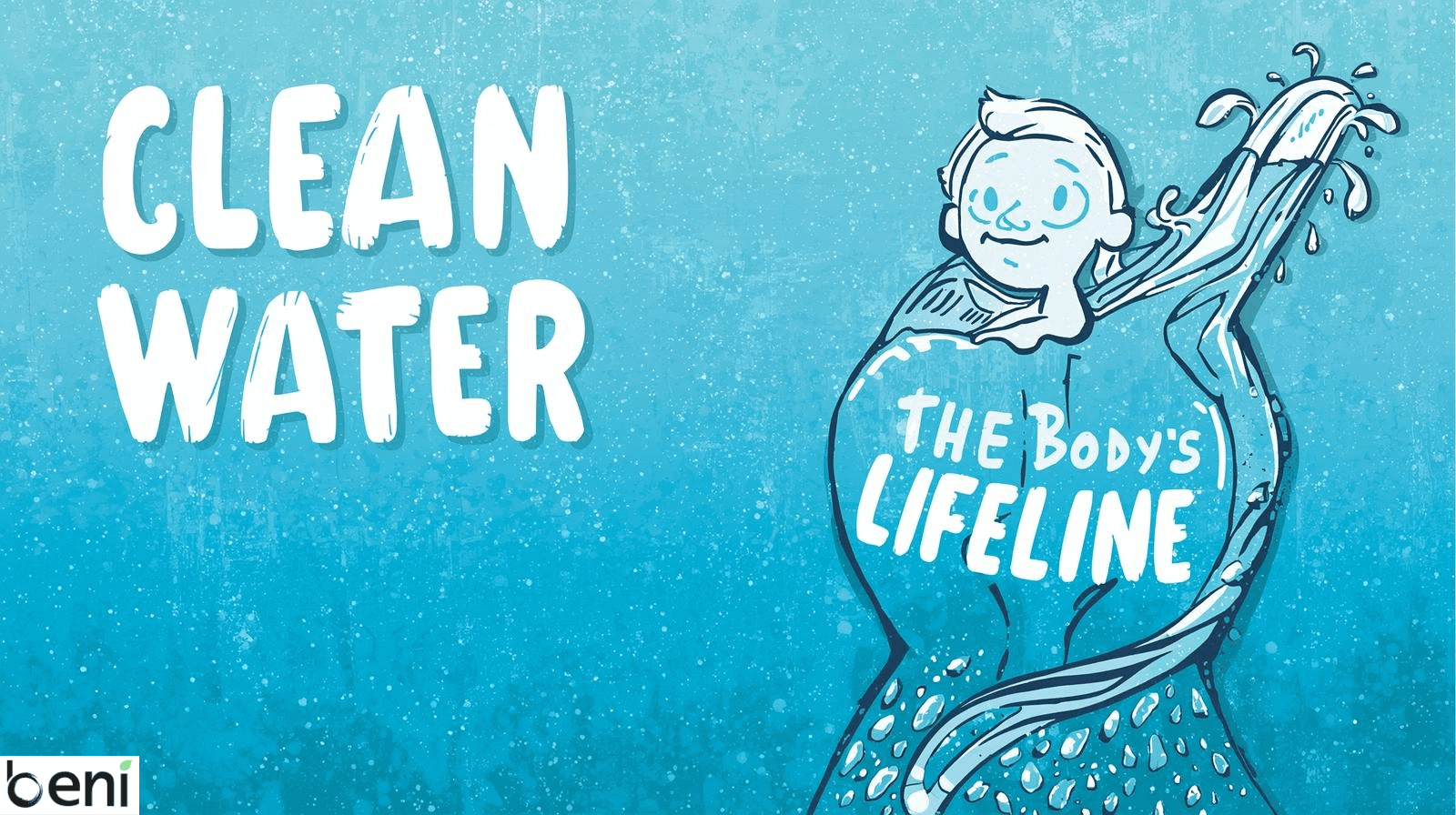
Clean Water: The Body’s Lifeline
Why Water is Essential
Water makes up 60% of the human body. It lubricates joints, regulates body temperature, aids digestion, flushes toxins, and supports every cellular function. Without water, survival beyond three days becomes nearly impossible. But access to clean water is shrinking.
The Reality of the Global Water Crisis
2 billion people lack access to safely managed drinking water.
785 million people still rely on unimproved sources, often contaminated with pathogens or chemicals.
By 2025, half the world’s population is projected to live in water-stressed areas.
Health Impacts of Unsafe Water
Waterborne Diseases: Cholera, typhoid, diarrhea, and hepatitis A remain widespread in regions without safe sanitation.
Toxic Exposure: Contaminants like arsenic, lead, or industrial chemicals can cause kidney failure, cancers, and developmental disorders.
Dehydration: Even in areas with adequate supply, low consumption of clean water leads to fatigue, poor concentration, and impaired metabolism.
Steps for Safe Hydration
Boil water if its safety is uncertain.
Install certified filters or use reverse osmosis systems in households.
Stay vigilant against plastic bottle dependency; instead, support sustainable community water infrastructure.
On a personal level, minimize water wastage to help preserve future supply.
Access to clean water isn’t just a convenience—it’s a human right. Without it, societies face disease outbreaks, reduced productivity, and generational poverty.
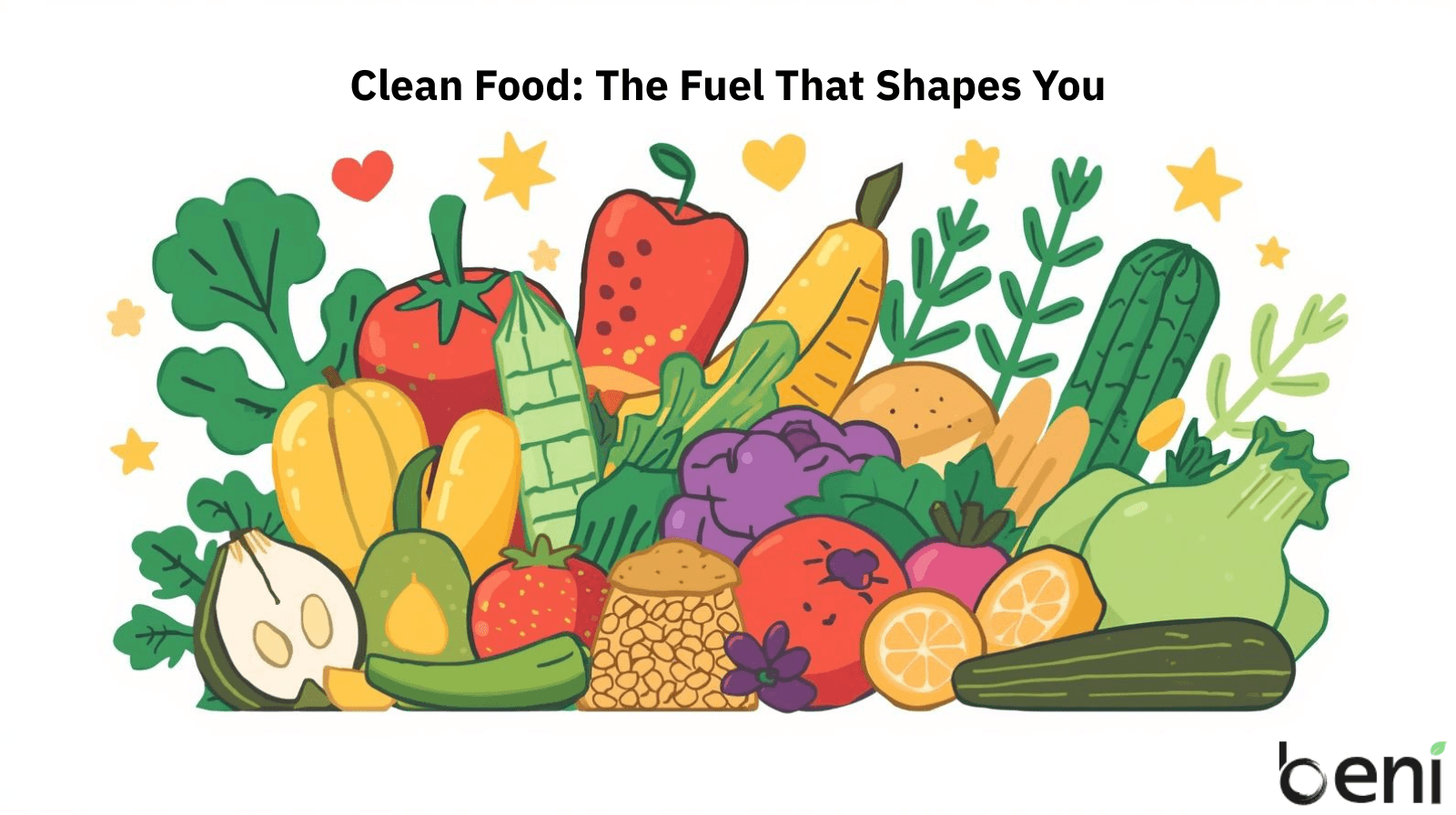
Clean Food: The Fuel That Shapes You
Why Food Quality Matters
“Food is medicine,” Hippocrates said centuries ago, and modern science validates it. Nutrients in food regulate hormones, build immunity, and repair tissues. But food has changed. Industrial farming, pesticide overuse, processed products, and long supply chains have transformed what lands on our plates.
The Rise of Nutritional Poverty
Today, millions face a paradox: enough calories but not enough nutrients. Fast food, instant meals, and ultra-processed snacks supply energy but lack the vitamins, minerals, and fiber necessary for long-term health. This “hidden hunger” fuels chronic illnesses even in wealthy nations.
Risks of Contaminated or Poor-Quality Food
Chemical Residues: Pesticides, herbicides, and additives disrupt hormones and may contribute to cancers.
Soil Depletion: Industrial agriculture reduces the nutrient density of fruits and vegetables.
Foodborne Illnesses: Contamination by bacteria like Salmonella or E. coli affects millions each year.
Lifestyle Diseases: Excess sugar, refined carbs, and unhealthy fats contribute to obesity, diabetes, and heart disease.
Steps to Safeguard Your Nutrition
Choose whole, unprocessed foods: fresh vegetables, fruits, legumes, and lean proteins.
Opt for seasonal and local produce, which often carry higher nutrient content.
Read food labels carefully; avoid items with long lists of chemical additives.
Support sustainable farming practices that improve soil quality and reduce harmful residues.
Clean food is not just about eating organic—it’s about being mindful of the journey from soil to plate.
The Interconnected Web: Air, Water, and Food
These three essentials do not exist in isolation. They form a tightly woven web where contamination in one affects the others:
Polluted air releases chemicals that settle into soil and water, reducing crop yields and safety.
Contaminated water used for irrigation or aquaculture taints food supplies.
Industrial farming practices pollute air and water with pesticide sprays, runoff, and methane emissions.
This interdependence means that protecting one resource requires protecting all three. Treating them as separate issues underestimates their combined impact on human health and ecosystems.
Long-Term Risks of Ignoring the Basics
If access to clean air, water, and food continues to decline, the consequences will be staggering:
Rising Chronic Disease Rates: More heart disease, cancer, diabetes, and respiratory illnesses.
Economic Strain: Healthcare costs will skyrocket, burdening individuals and governments alike.
Reduced Human Potential: Malnutrition, toxic exposure, and illness will limit educational and work productivity.
Social Inequality: Poor communities are disproportionately affected, deepening health and wealth gaps.
Environmental Collapse: Degraded ecosystems will make restoring balance harder for future generations.
Taking Action: What You Can Do
While global policy shifts are essential, individual and community actions matter:
For Clean Air
Walk, cycle, or use public transport instead of driving alone.
Support renewable energy and oppose deforestation.
Use indoor plants that naturally filter pollutants.
For Clean Water
Reduce household water waste (fix leaks, reuse greywater).
Avoid pouring chemicals or oils down drains.
Back community rainwater harvesting or purification projects.
For Clean Food
Shop at local farmers’ markets or join farm-to-table programs.
Grow your own herbs or small vegetables—even balconies work.
Support policies that limit harmful chemicals in agriculture.
Small, consistent changes amplify when practiced by millions.
A Shared Responsibility
Clean air, water, and food may seem like personal needs, but they’re collective responsibilities. Governments must enforce environmental regulations. Businesses must adopt sustainable practices. Communities must organize around shared resources. And individuals must make conscious choices daily.
The fight for clean essentials is not abstract—it’s about ensuring that future generations can live, breathe, and thrive.
Final Thoughts
You can skip your supplements. You can skip your workout. But you cannot skip air, water, or food. They’re non-negotiable for life and health, not optional add-ons to wellness.
When you take your next breath, sip of water, or bite of food, remember: these everyday actions are shaped by invisible systems. Protecting their purity is not just about personal survival—it’s about human progress, dignity, and justice.
If we fail to safeguard them, no medical breakthrough or wellness trend will compensate. But if we succeed, we secure the foundation for generations to live healthier, longer, and more fulfilling lives.
Because true health begins with the basics—clean air, clean water, and clean food.