


Dec 25, 2025

Preeti Nidhi
Sleep is one of the most essential habits for maintaining long-term health, yet it is also one of the most commonly overlooked. Many people treat sleep as flexible, something they can reduce on busy days and make up for later. However, the body does not work that way. Sleep is a biological need that affects nearly every system in the body, including digestion, metabolism, immunity, cognitive function and emotional balance.
A recent discussion around sleep habits brought up an important question: how many hours do adults truly need to stay healthy? This simple question opens the door to a deeper understanding of how sleep influences health on a hormonal and physiological level. Most adults underestimate the impact of their sleep patterns on everyday wellbeing. Even a single night of poor sleep can affect hunger, stress levels and digestive comfort the next day.
This blog breaks down what really happens when you sleep too little or too much, why most adults perform best with seven to nine hours of rest, and how sleep directly influences your gut, appetite and overall functioning.
Why Most Adults Need Seven to Nine Hours of Sleep
According to experts, including the Mayo Clinic, the ideal range of sleep for healthy adults is between seven and nine hours. During this period, the body goes through essential processes that support physical repair, emotional regulation and hormonal balance. These internal activities do not occur completely during wakefulness, which is why adequate sleep is non-negotiable.
When a person gets between seven and nine hours of sleep, the body can complete all its cycles, including deep sleep and REM (Rapid Eye Movement) sleep. Deep sleep supports tissue repair, immune restoration and cellular clean-up. REM sleep plays a role in memory processing and emotional regulation. Skipping sleep or reducing sleep time disrupts these stages and leaves the body partially restored.
What Happens When You Sleep Less Than Six Hours
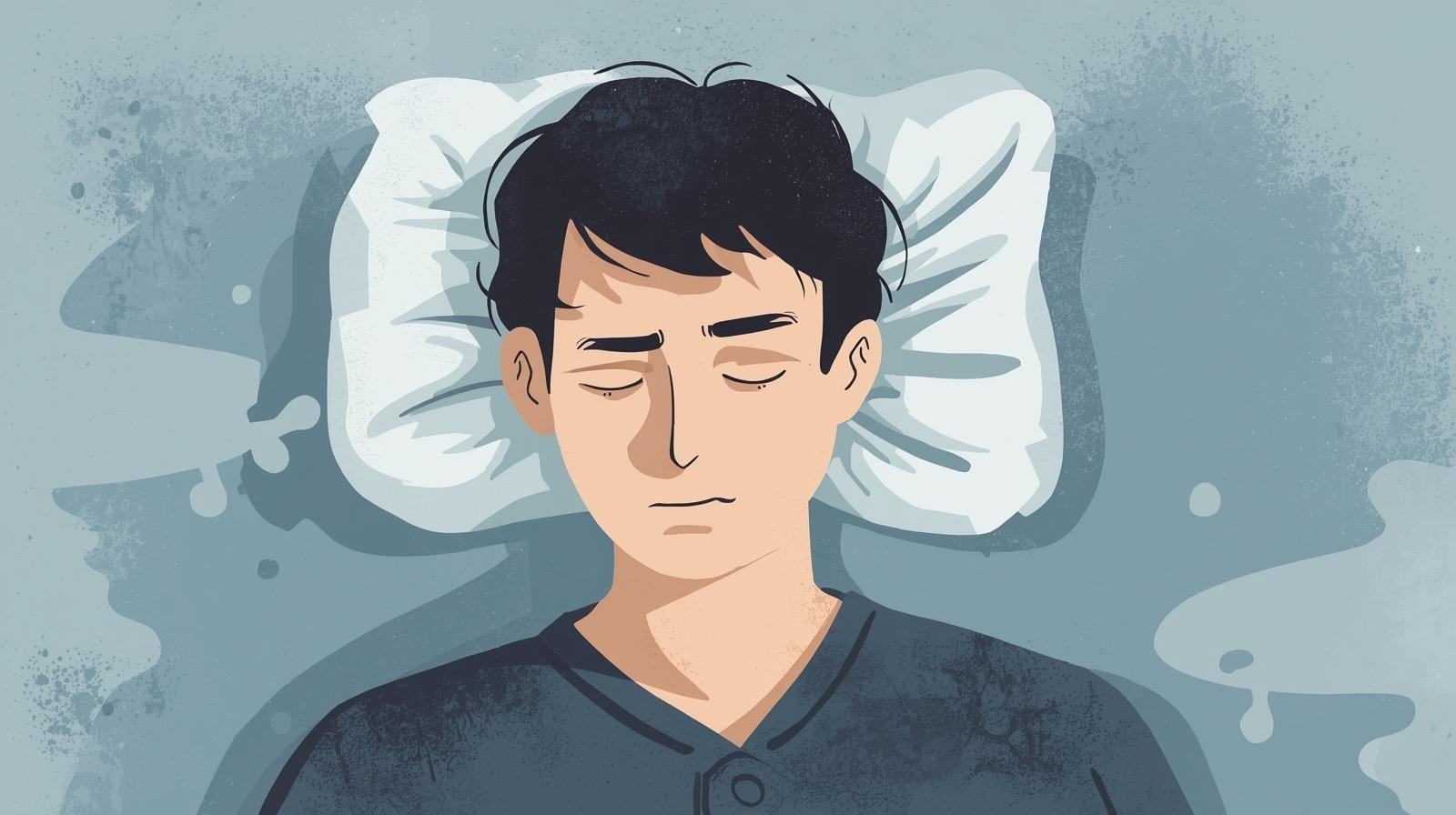
Short sleep has become extremely common in modern lifestyles. Late-night work, excessive screen time, high stress levels and irregular routines all contribute to sleep deprivation. While people often believe they can function normally on less sleep, the internal impact tells a different story.
Hormonal Disruptions
Lack of sleep affects two key hormones related to hunger:
• Ghrelin increases. This hormone triggers hunger and makes you crave food more intensely, especially sugary, salty or calorie-dense foods.
• Leptin decreases. This hormone signals fullness, and when its levels drop, it becomes harder to recognize when you have eaten enough.
This explains why people who sleep poorly tend to overeat, snack more frequently and experience stronger cravings throughout the day.
Slower Digestion and Gut Discomfort
Many people do not associate sleep with digestion, but the two are closely connected. Poor sleep can slow down the movement of food through the digestive tract. As a result, you may experience:
• Bloating
• Gas
• Acidity
• Sluggish bowel movements
• Irritable stomach
• Heavier or more uncomfortable mornings
When the body is sleep-deprived, it shifts into a stress response that prioritizes basic survival functions over digestion. This means the gut receives less support, and the digestive rhythm becomes irregular.
Higher Stress Levels
Sleep deprivation increases cortisol, the body’s main stress hormone. High cortisol levels can lead to symptoms such as:
• Irritability
• Difficulty focusing
• Increased appetite
• Higher abdominal fat storage
• Disrupted blood sugar balance
Over time, elevated cortisol affects both mental and physical health, making it harder to stay calm, energetic and balanced during the day.
Weaker Immunity
Research shows that people who consistently sleep less than six hours are more prone to infections. Immune functioning improves during sleep, when the body produces restorative proteins that help fight viruses and bacteria. With inadequate sleep, the immune system does not receive the reinforcement it needs, which results in higher susceptibility to colds, infections and long recovery periods.
What Happens When You Sleep More Than Nine Hours
Oversleeping occasionally is not a concern. It can happen when the body is recovering from intense physical activity, travel, illness or accumulated fatigue. However, consistently sleeping more than nine hours may indicate underlying issues.
Some common reasons behind excessive sleep include:
• Poor sleep quality during the night
• Vitamin deficiencies such as B12 or D
• Low mood or emotional stress
• Hormonal imbalances
• Sleep-related breathing issues such as sleep apnea
• Chronic fatigue due to lifestyle or work stress
Sleeping too long may sometimes be a sign that the body is working harder than usual to perform basic functions. It can also reflect non-restorative sleep, where you may spend many hours in bed but still wake up tired. This happens when sleep is fragmented or shallow.
Why Sleep Is More Than Just Rest
Sleep is not simply a passive state where the body shuts down. It is an active healing process during which the brain and body reset, repair and prepare for the next day. Proper sleep maintains chemical balance and keeps essential systems functioning smoothly.
Brain Cleansing
During deep sleep, the brain clears out waste products created during the day. This process helps improve focus, decision-making and mental clarity the next morning.
Muscle and Tissue Repair
The body releases growth hormones during sleep, supporting muscle recovery and tissue repair. This is why athletes prioritise sleep as much as training.
Hormonal Reset
Sleep regulates the release of insulin, cortisol, melatonin and appetite-related hormones. Disturbed sleep disrupts this cycle and affects energy, hunger, mood and digestion.
Immune Strengthening
The immune system becomes more active at night, producing proteins that help fight infections. When sleep quality is poor, immunity declines.
How Sleep Influences Digestion and Morning Comfort
Your digestive system follows a rhythm that aligns with your body clock. Poor sleep disrupts this rhythm, and as a result, digestion becomes less efficient. This often leads to heavier mornings, irregular bowel movements or a feeling of bloating.
The gut and brain communicate through a network known as the gut-brain axis. When the brain is tired, the gut responds immediately. A well-rested body digests food efficiently, but a tired body slows everything down.
Late-night meals, stress eating and irregular sleeping hours further disturb this connection. Even drinking too much caffeine late in the day can delay the sleep cycle and indirectly impact digestion.
Simple Steps to Improve Sleep Quality
Improving sleep does not require drastic changes. Small, consistent habits can make a significant difference.
• Maintain a consistent sleep and wake time.
• Reduce screen exposure at least 45 minutes before bed.
• Avoid heavy meals and caffeine late in the evening.
• Keep your bedroom dark, quiet and comfortably cool.
• Build a bedtime routine such as reading, light stretching or journaling.
• Eat earlier so the gut has time to rest before sleep.
These simple actions help signal the body that it is time to relax, which supports deeper and more restorative sleep.
How Much Sleep Do You Actually Need

While individual needs may vary slightly, most adults require between seven and nine hours of sleep per night. For a complete breakdown and expert guidance, refer to this resource:
Mayo Clinic: https://www.mayoclinic.org/healthy-lifestyle/adult-health/expert-answers/how-many-hours-of-sleep-are-enough/faq-20057898
Conclusion
Sleep shapes everything from your digestion to your hormone balance, immunity and mood. It is not a habit to be adjusted when convenient but an essential part of a healthy lifestyle. Whether you often sleep too little or too much, understanding your body’s signals can help you restore balance. When you prioritise quality sleep, your body functions more smoothly, your mind becomes clearer and your overall wellbeing improves significantly.