


Sep 3, 2025

Preeti Nidhi
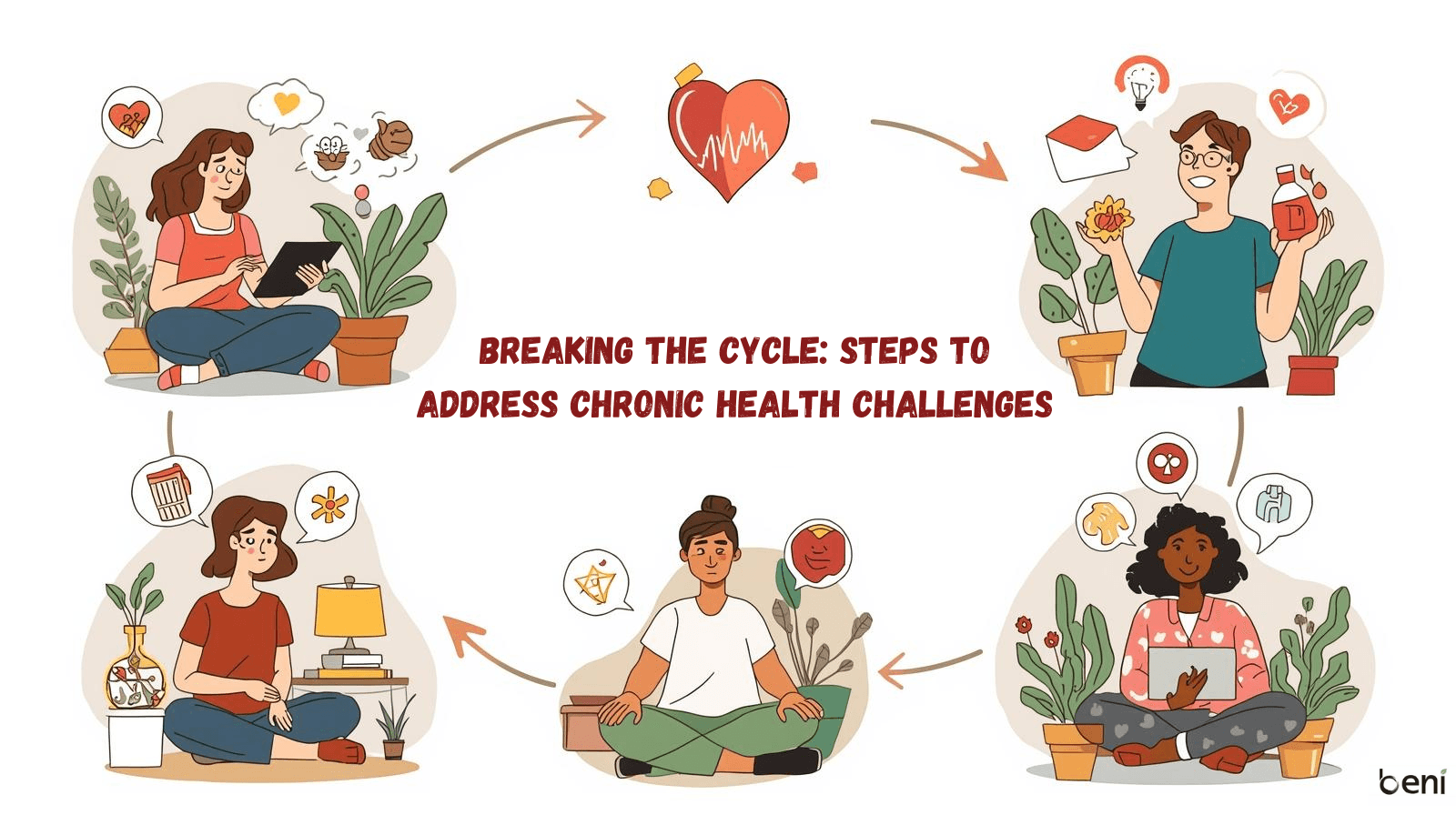
Chronic health conditions are more common than ever before. From diabetes and hypertension to obesity, heart disease, and autoimmune disorders, these challenges don’t just impact physical health—they affect mental well-being, lifestyle, and even personal confidence. What makes them especially difficult is their recurring nature: symptoms improve for a while but come back stronger if underlying causes aren’t addressed. This creates a frustrating cycle of medication, flare-ups, and setbacks.
But here’s the truth: while chronic conditions may not always be “curable,” they can absolutely be managed, improved, and even reversed in some cases through consistent, holistic approaches. The key lies in shifting the focus from short-term fixes to long-term lifestyle strategies.
Let’s explore practical, sustainable steps to break the cycle and regain control over your health.
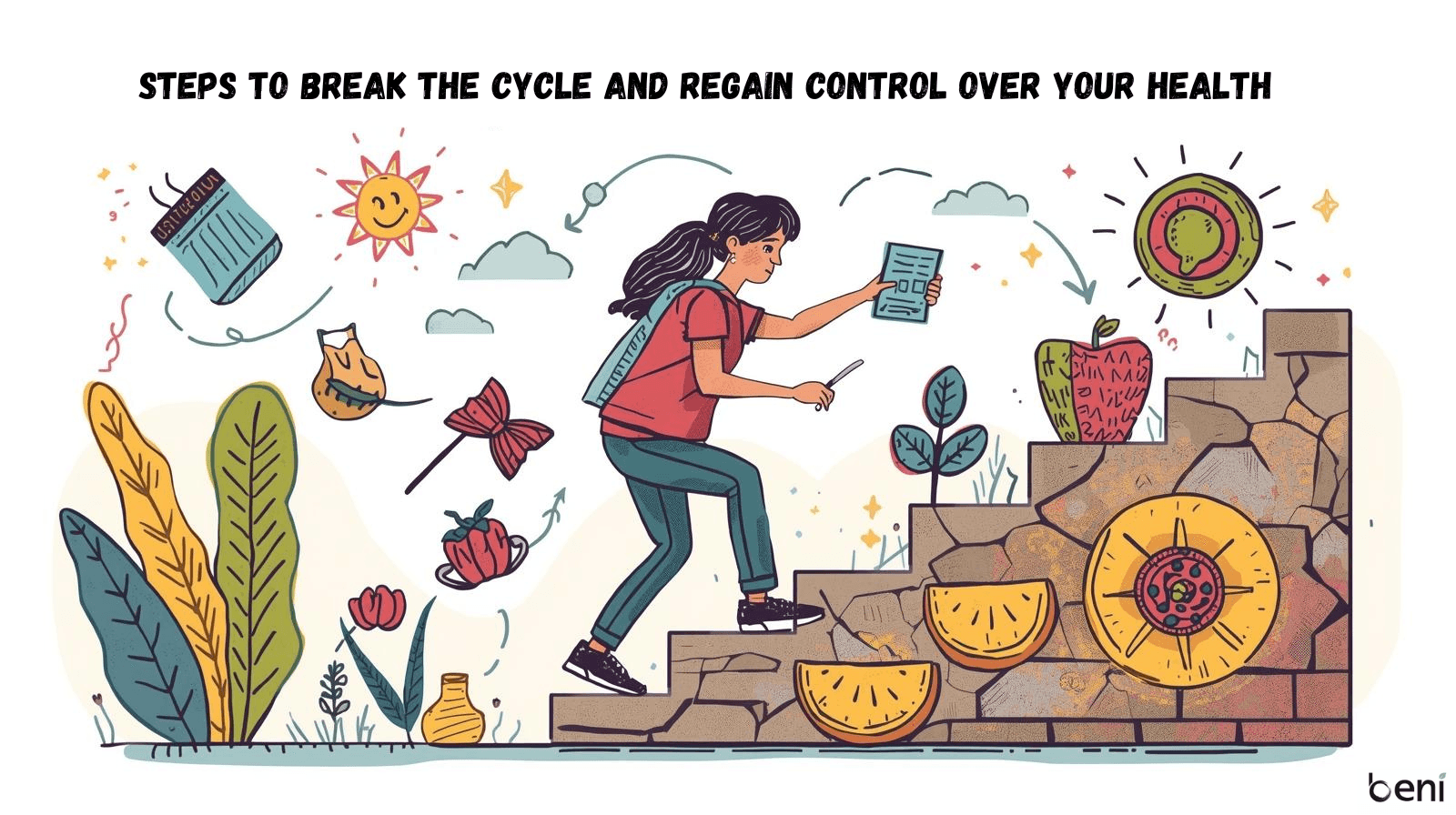
Step 1: Identify and Understand Your Triggers
Every chronic condition has a set of triggers that fuel it. For example:
Diabetes: Hidden sugars, irregular eating patterns, high stress
Hypertension: Excess sodium, lack of sleep, constant worry
Obesity: Sedentary lifestyle, emotional eating, poor meal quality
Autoimmune Disorders: Inflammation, certain foods, unmanaged stress
Keeping a health journal can be a game-changer. Track your meals, sleep patterns, moods, and activity levels. Over time, you’ll start seeing patterns—what worsens your symptoms and what makes you feel better. This awareness is the first step to breaking the cycle.
Step 2: Focus on Nutrition, Not Just Restriction
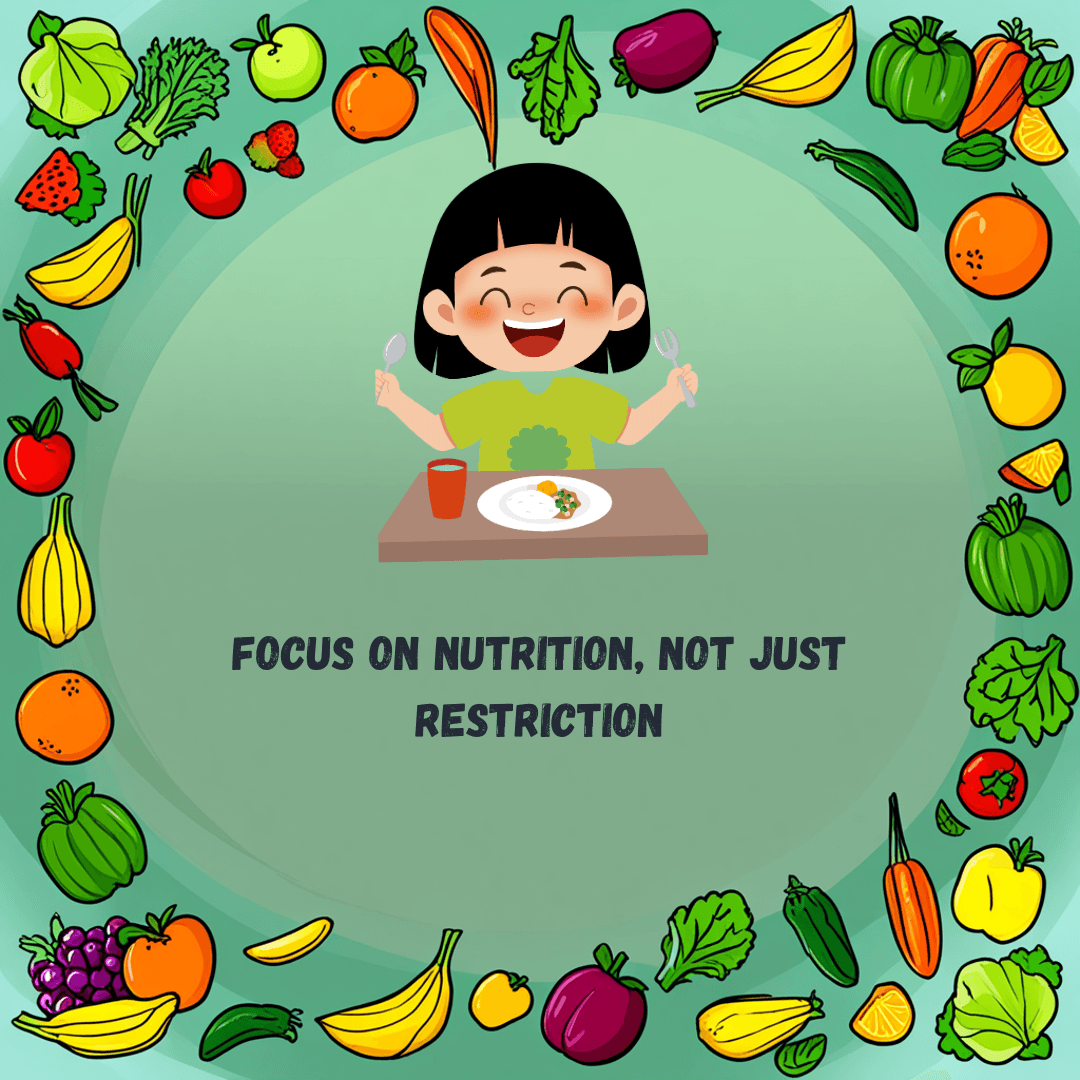
When managing chronic conditions, food isn’t just fuel—it’s medicine. Unfortunately, many people fall into the trap of extreme diets or restrictions, which only lead to short-term results. A sustainable approach works better:
Choose whole, unprocessed foods—lean proteins, vegetables, fruits, nuts, seeds, and whole grains.
Limit hidden sugars and sodium often found in packaged foods. (For instance, “dextrose” or “maltose” on labels are sneaky sugars).
Practice portion awareness rather than calorie obsession.
Stay hydrated—water supports digestion, energy, and overall balance.
Remember, it’s not about eating less—it’s about eating right.
Step 3: Embrace Movement as Medicine
Exercise doesn’t have to mean punishing workouts at the gym. For chronic health management, consistency matters more than intensity.
Low-impact activities like walking, yoga, cycling, or swimming can improve circulation, balance blood sugar, and reduce stress.
Short, daily sessions (20–30 minutes) are often more effective than rare, intense workouts.
If you sit for long hours, set a timer to stand, stretch, or walk every hour.
Movement is medicine, and your body responds best to gentle, regular activity.
Step 4: Manage Stress Before It Manages You
Stress is often the hidden culprit behind worsening chronic health conditions. High stress levels raise cortisol, which in turn spikes blood pressure, blood sugar, and inflammation.

Practical stress-management tools include:
Mindfulness practices like meditation or deep breathing
Digital detox breaks to reduce constant overstimulation
Creative outlets like journaling, painting, or music
Nature therapy—even a short walk outdoors calms the nervous system
By lowering stress, you create an environment where your body can heal instead of constantly being in “fight or flight” mode.
Step 5: Build Your Support Network
Chronic health management is not a solo journey. Having people who support, encourage, and hold you accountable makes the process less isolating.
Family and friends can help you stick to new habits.
Support groups (online or offline) provide shared experiences and encouragement.
Healthcare professionals—doctors, nutritionists, therapists—guide you with expertise.
Even a small circle of supportive people can make a big difference in maintaining long-term change.
Step 6: Work with Professionals, Not Just Prescriptions
Medication plays an important role in many chronic conditions, but it shouldn’t be the only strategy. Proactive health management involves partnering with healthcare providers to create a comprehensive plan.
Schedule regular check-ups to track progress.
Ask for lab tests to monitor deeper health markers (like inflammation or nutrient deficiencies).
Consider working with a dietitian, physiotherapist, or counselor to get personalized support.
A team-based approach ensures that no aspect of your health goes unnoticed.
Step 7: Celebrate Small Wins
One of the biggest mistakes in managing chronic conditions is aiming for instant transformation. Breaking the cycle is not about perfection—it’s about progress.
Swapped soda for water today? That’s a win.
Took a 15-minute walk instead of scrolling your phone? Another win.
Reduced processed foods this week? Celebrate it.
Small wins stack up. Over time, they rewire habits and create long-lasting improvements.
Final Thoughts
Breaking the cycle of chronic health challenges requires awareness, consistency, and compassion for yourself. It’s about making daily choices that support your well-being, rather than relying only on external fixes.
Think of it as an upward spiral: each healthy decision—whether eating a nourishing meal, walking after dinner, or practicing deep breathing—lifts you out of the cycle and moves you closer to strength, balance, and resilience.
Your health journey may not always be smooth, but it doesn’t have to stay stuck in repeat mode. By taking small, mindful steps each day, you can break the cycle and create a healthier, more empowered future.