


May 5, 2025

Preeti Nidhi
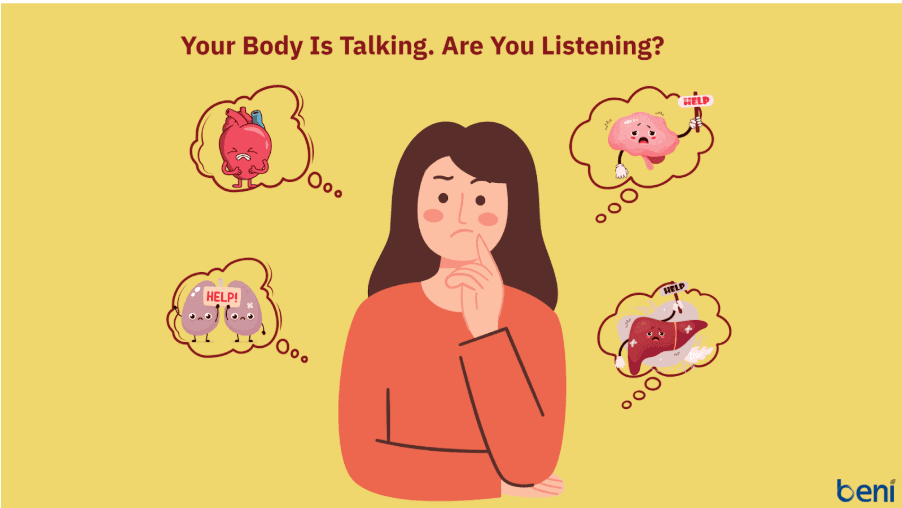
Endless to-do lists. Constant notifications. Packed schedules. And never-ending distractions.
In the chaos of our hyperconnected lives, it's easy to miss the quiet signals our body sends us—until they become too loud to ignore. That afternoon fatigue, unexplained bloating, or sudden skin breakouts—they’re not random. They’re physical cues. But we brush them off, blaming stress or busy schedules.
But what if these are more than just passing issues? What if your body is speaking a language of its own, urging you to listen, slow down, and take action before things spiral?
This blog dives deep into understanding how your body communicates with you and why tuning into these signals is essential—not just for treating illness but for preventing it, too. It’s not about becoming a health fanatic overnight. It’s about learning to notice, interpret, and respond to the cues your body gives you every day.
1. The Language of the Body: What Are Body Signals?
Our body constantly interacts with our environment, nutrition, stress levels, and emotions. This interaction manifests in signals—some obvious, some subtle. These could include:

Digestive discomfort after meals
Unusual food cravings
Sudden Headache
Brain fog or memory issues
Skin breakouts
Poor sleep quality
A racing heart
Frequent colds or fatigue
Scientific Insight: Harvard Medical School highlights how chronic stress can affect nearly every system in the body, including the digestive, immune, and nervous systems (source).
When left unchecked, these signals can evolve into more serious conditions. Listening early makes all the difference.
2. The Cost of Ignoring Your Body
When we dismiss these signs as temporary or "normal," we miss opportunities to intervene. Many chronic conditions—like obesity, type 2 diabetes, heart disease, or autoimmune disorders—don’t begin with a bang. They start with whispers.
Statistics to Note: According to the CDC, 6 in 10 adults in the U.S. live with at least one chronic disease, many of which are diet- and lifestyle-related (source).
Ignoring symptoms like:
Chronic constipation or bloating
Irregular periods or mood swings
Sudden weight gain or loss
Joint pain or stiffness
can delay diagnosis and lead to more invasive treatments down the road.
3. What Your Gut Is Trying to Tell You
Your gut is one of the loudest parts of your body—if you learn how to listen. Known as the "second brain," the gut houses over 100 million neurons and is responsible for much more than digestion.
About 90% of serotonin (your mood-regulating hormone) is produced in the gut (source: Johns Hopkins Medicine).
Imbalanced gut bacteria have been linked to depression, anxiety, weight gain, and inflammation.
Common gut signals include:
Frequent indigestion
Gas or bloating
Sugar cravings
Intolerance to certain foods
Irregular bowel movements
These could indicate anything from leaky gut syndrome to food sensitivities to hormonal imbalances.
4. Cravings, Skin, and Sleep: More Clues to Decode
Food Cravings:
Craving chocolate? You might be low in magnesium. Constantly hungry? It could be a sign of insulin resistance.
A study from the NIH suggests food cravings are often related to nutrient deficiencies, hormonal fluctuations, or emotional stress (source).
Skin Health:
Breakouts around your jawline may point to hormonal imbalances. Dry patches or inflammation? Could be linked to food allergies or gut issues.
Sleep Trouble:
Difficulty falling or staying asleep can be a sign of cortisol dysregulation. Waking up tired after 8 hours? Your body might not be entering restorative sleep cycles—often affected by diet, stress, and screen time.
5. How to Start Listening to Your Body
It’s not about overanalyzing every twinge or ache. It’s about becoming a curious observer of your own experience.
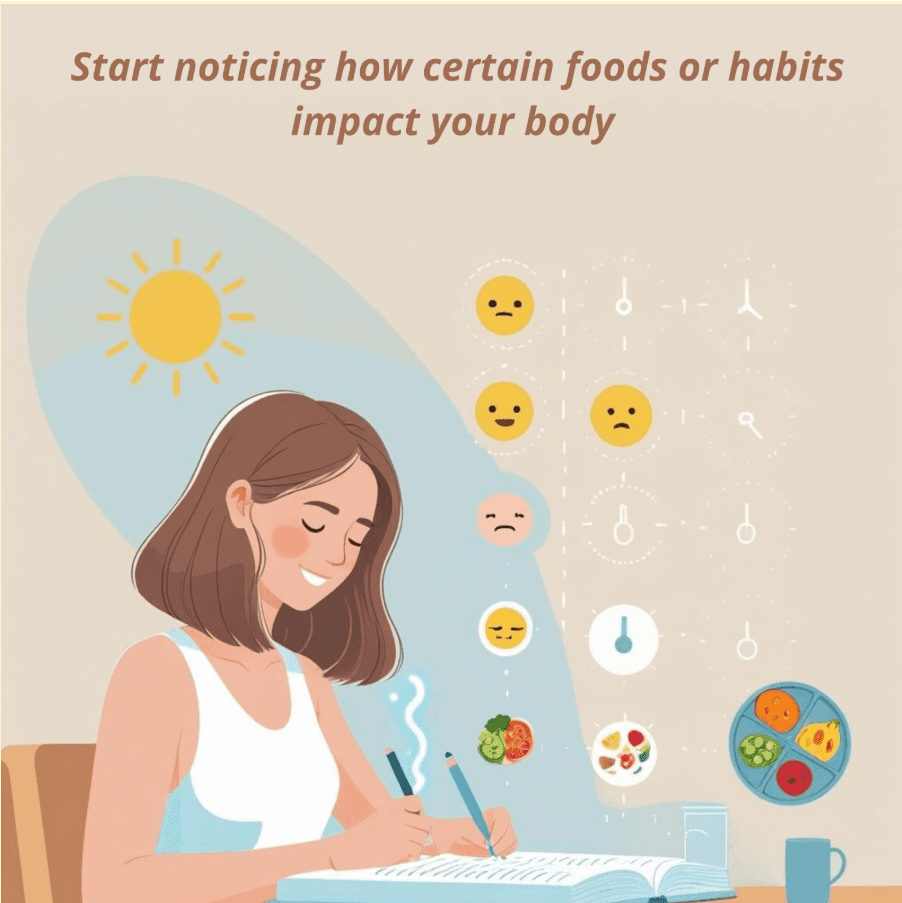
Tips to Tune In:
Keep a journal of your energy, mood, symptoms, and meals
Practice body scanning through mindfulness techniques
Pause before meals to check if you’re really hungry or just bored or stressed
Notice patterns, not isolated events
As you tune in, you’ll start noticing how certain foods, people, or habits impact your body—for better or worse.
6. Beni’s Approach: Making Health Simpler
At Beni, we believe everyone should feel confident about their food and wellness choices—without needing a medical degree. We’re building a community that simplifies health through awareness, education, and support.
From clean eating insights to ingredient alerts and real conversations around nutrition, Beni helps you:
Recognize harmful additives
Understand what your symptoms might mean
Make mindful, nourishing food choices
Together, we’re learning how to listen to our bodies—and respond with care.
Conclusion
Your body is your lifelong companion. When it whispers, don’t wait for it to scream. Every signal is an invitation to pay attention, learn, and heal.
Listening doesn’t mean fear. It means self-respect.
So today, pause. Breathe. Ask yourself: what is my body telling me right now?
Join the Beni Community
Take the first step toward a healthy life. Join our growing Beni community to learn, share, and stay informed on how to tune in to your body through better food choices and daily habits.